
Cobalt Citrus
Commercial & packaging · Liquid product photography
Visual method category
Commercial & packaging · Liquid product photography
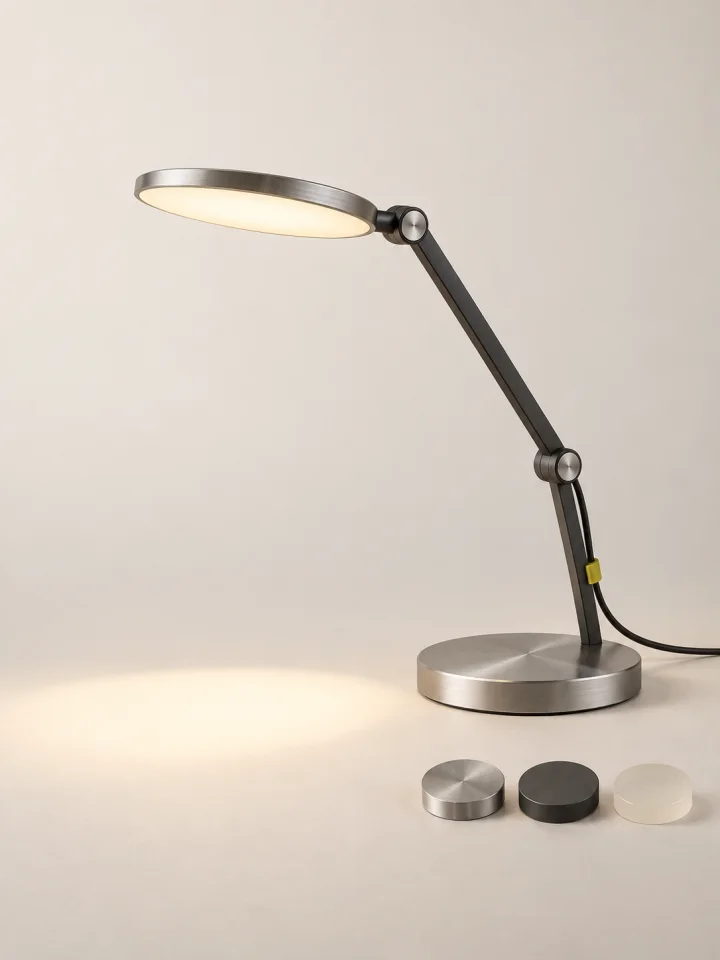
Commercial & packaging · Clean product showcase
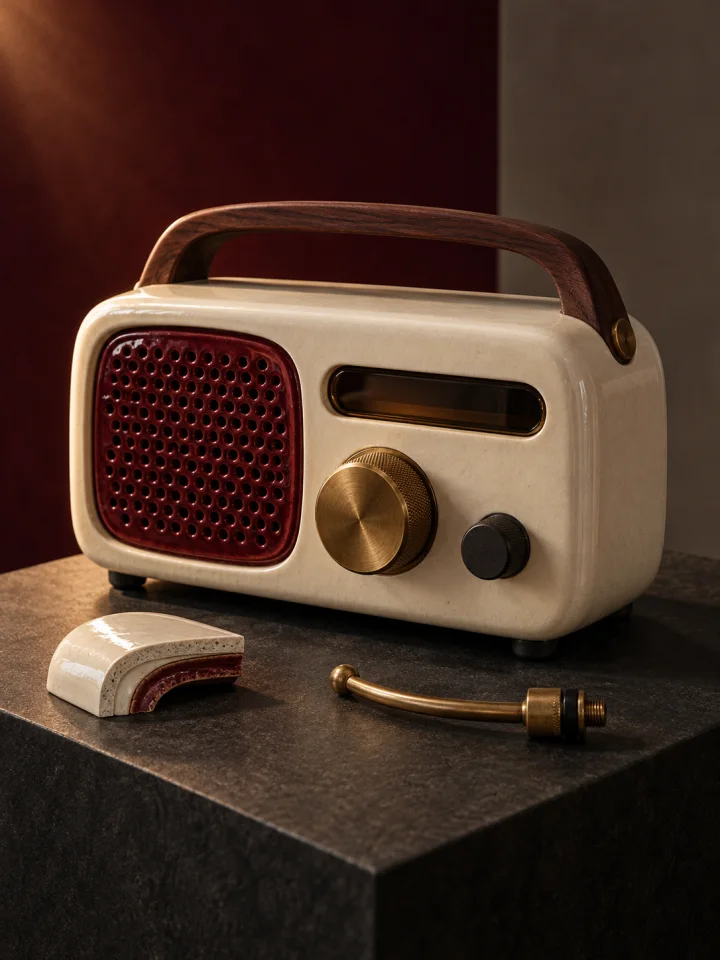
Commercial & packaging · Vintage industrial product archive

Commercial & packaging · Oriental botanical gift still life
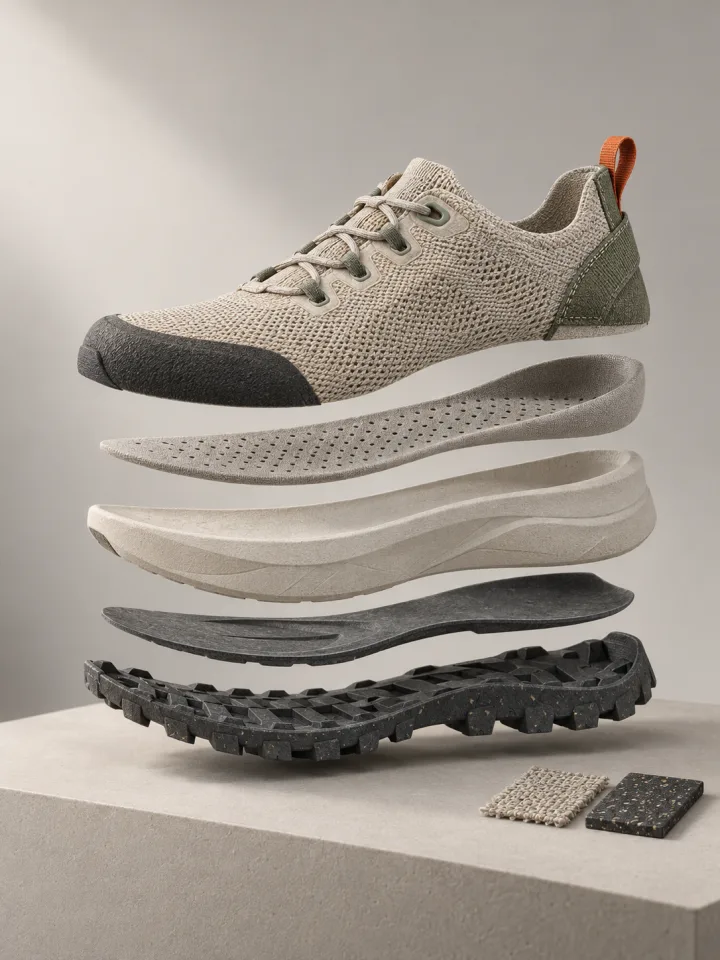
Field & studio tools · Product construction study
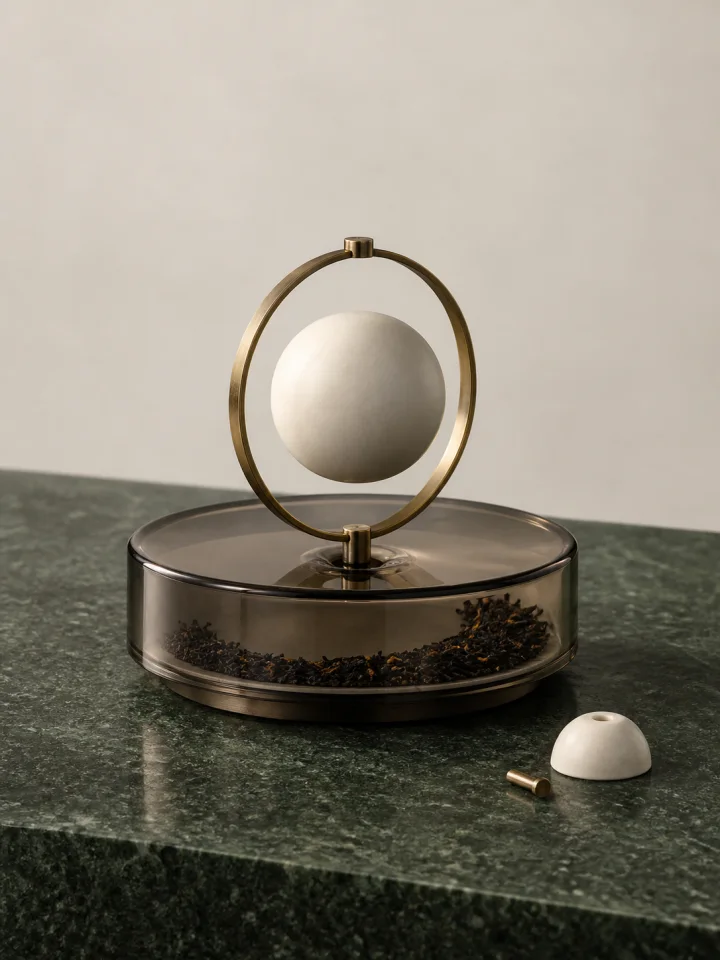
Home instruments · Magnetic product photography
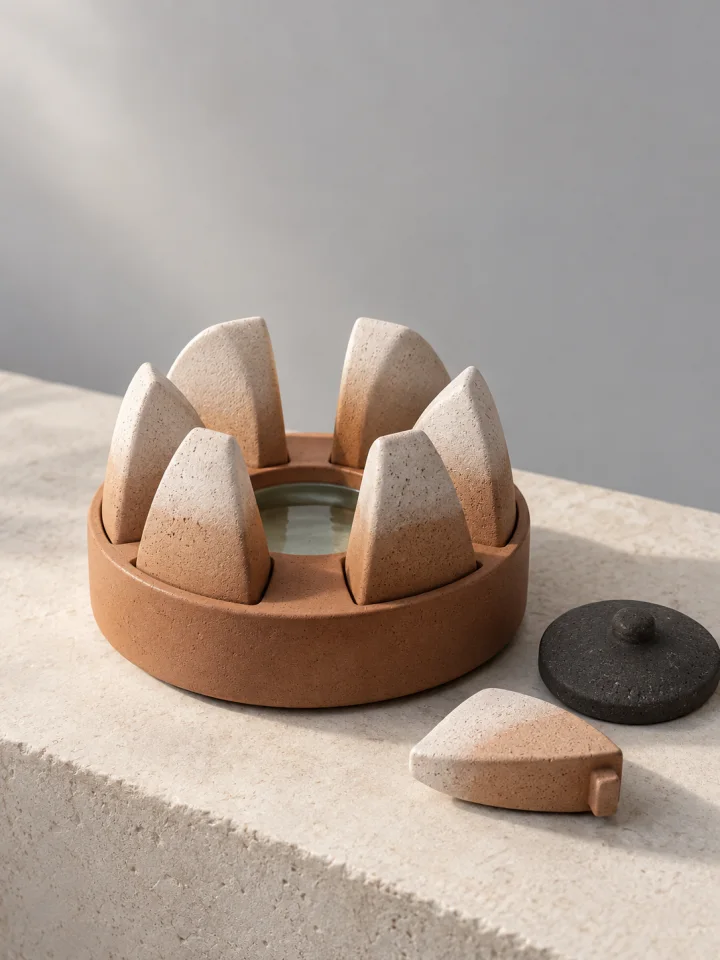
Home instruments · Capillary diffuser photography
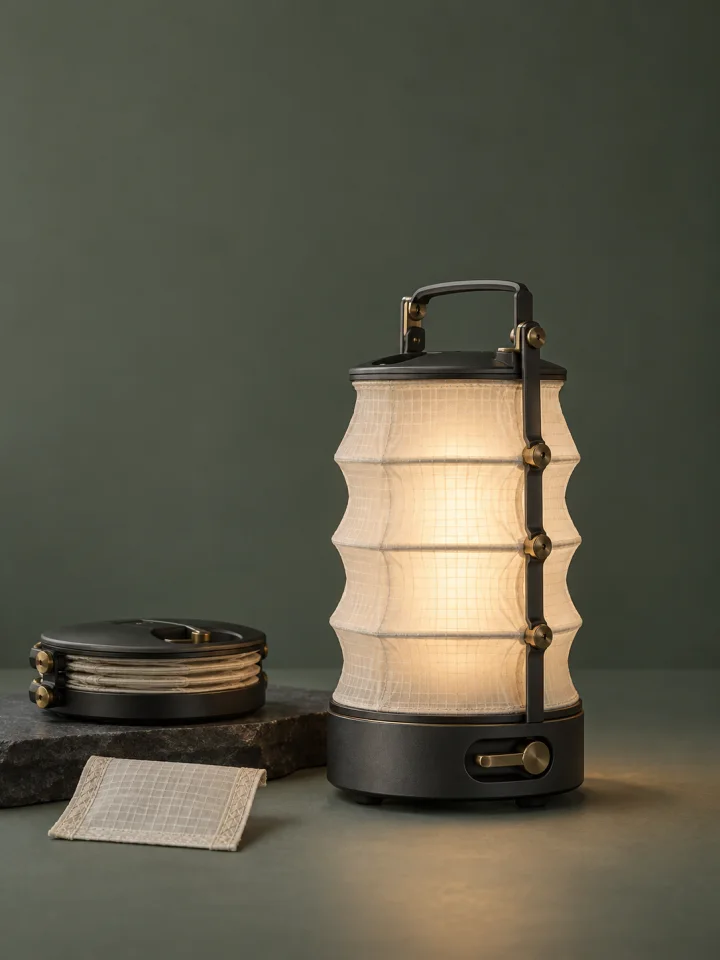
Home instruments · Folding lantern photography
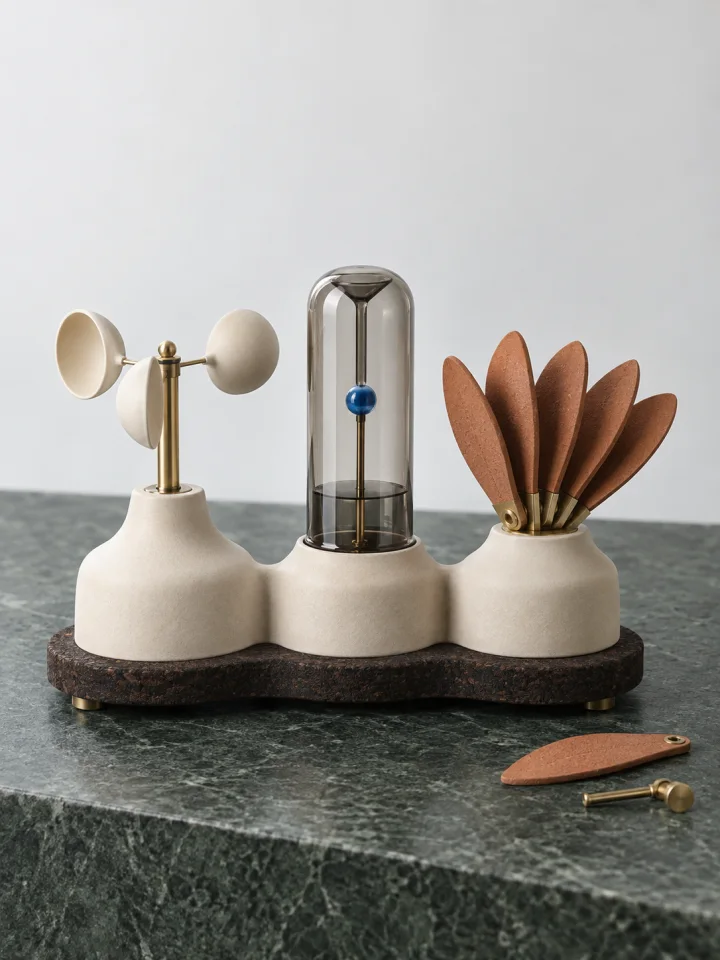
Home instruments · Analog instrument photography
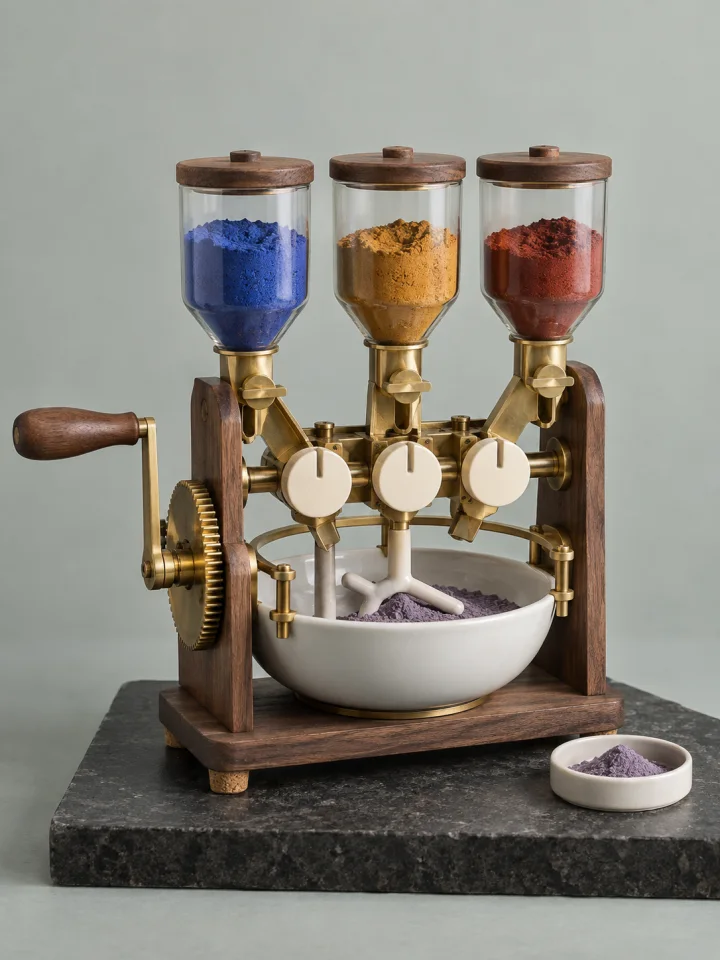
Field & studio tools · Hand-crank pigment instrument
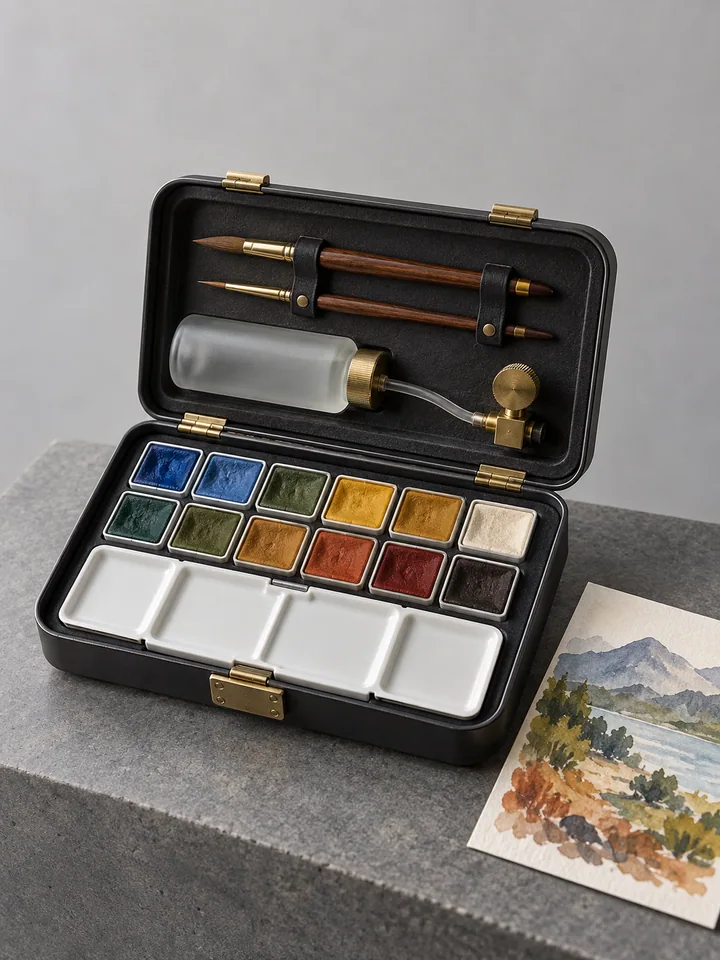
Field & studio tools · Portable industrial design
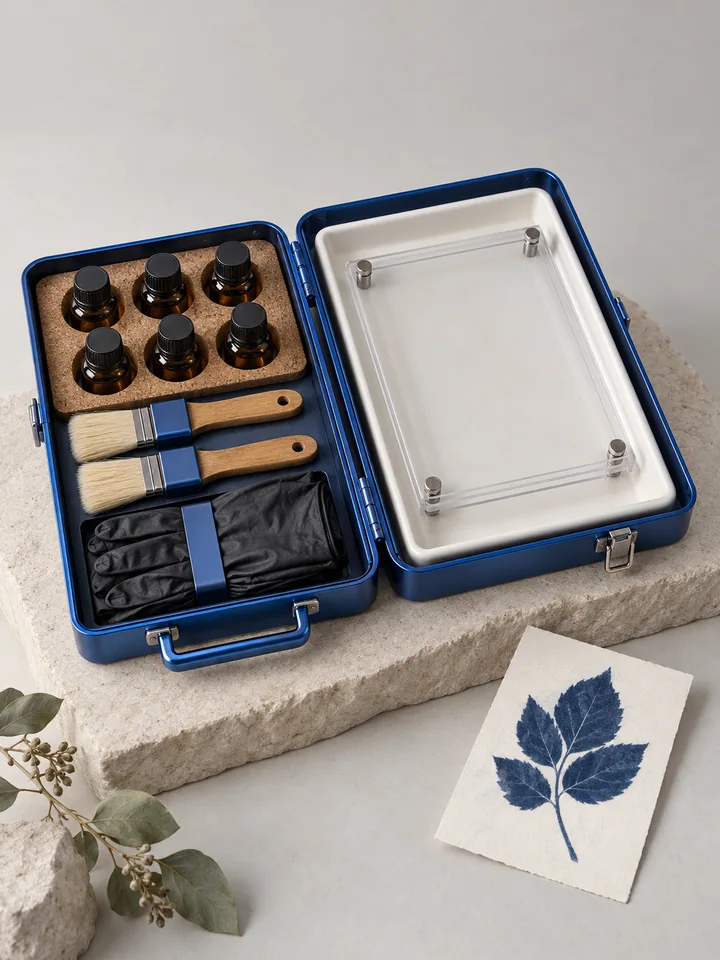
Field & studio tools · Portable cyanotype tool design
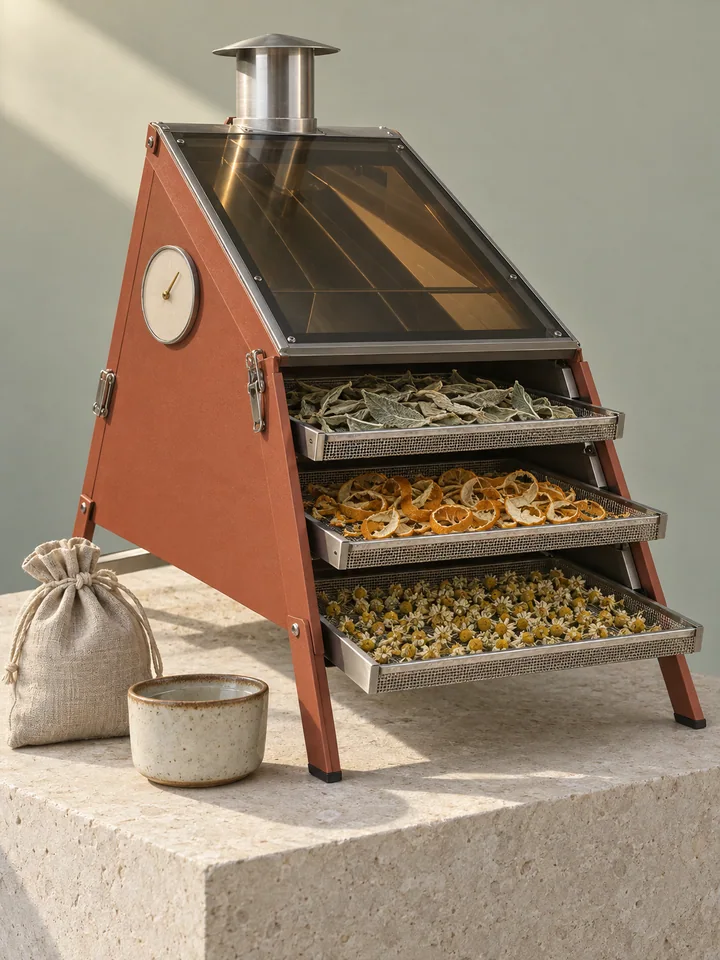
Field & studio tools · Off-grid food-tool design
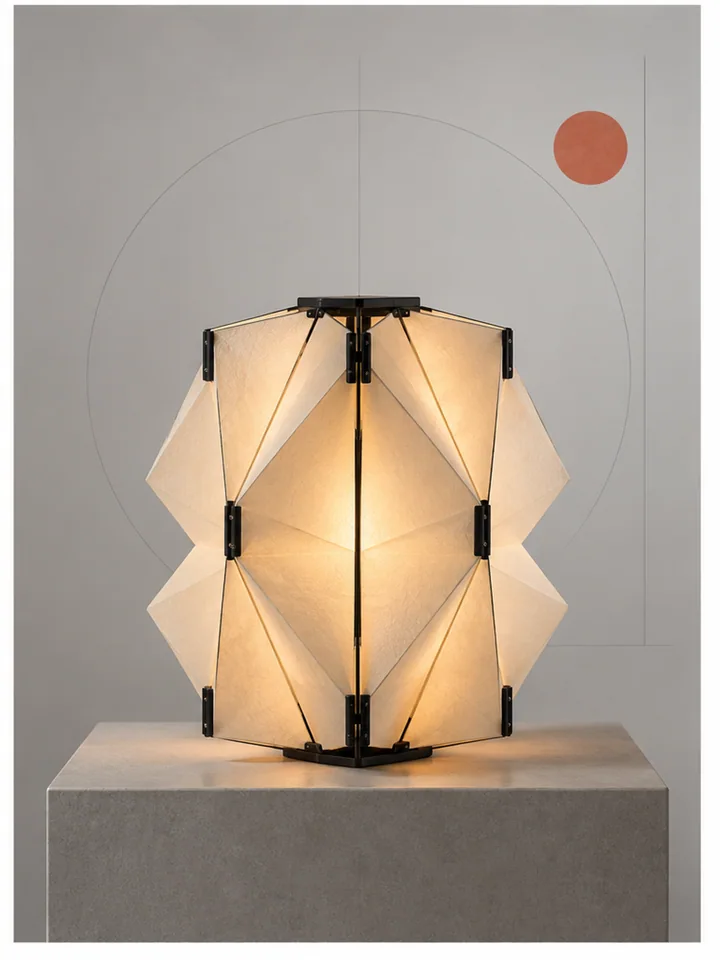
Home instruments · Clean commercial object showcase
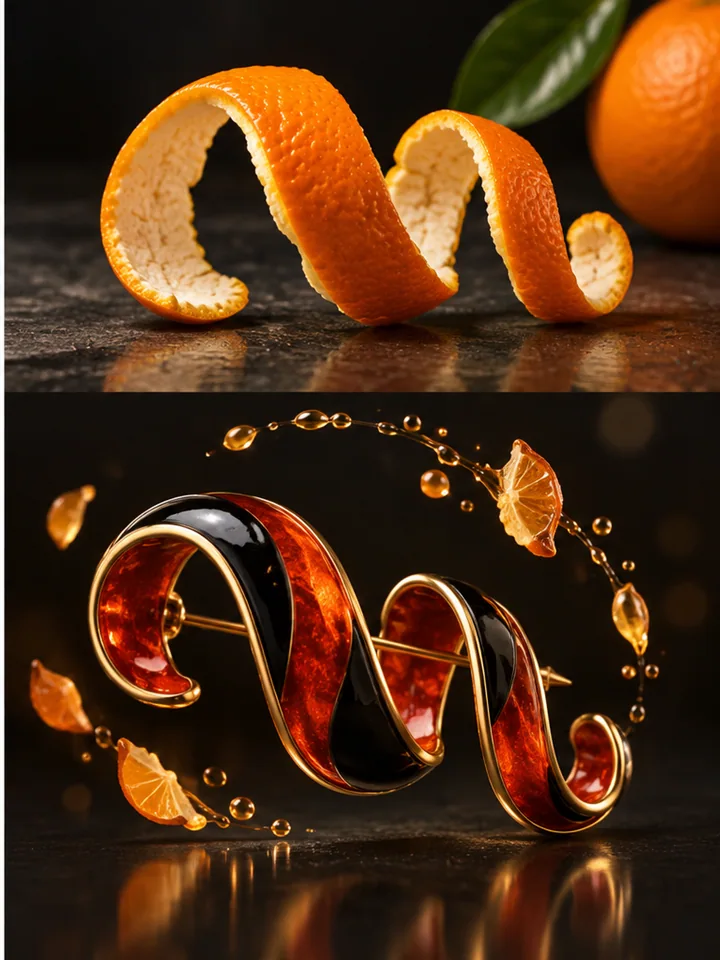
Commercial & packaging · Kinetic product translation
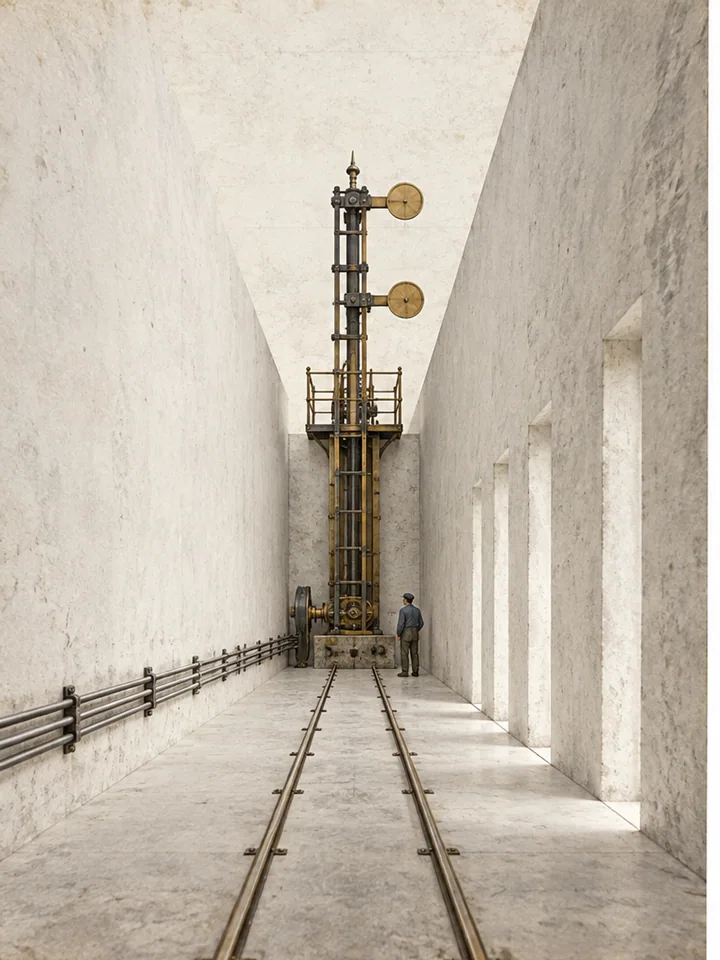
Home instruments · Vintage industrial archive
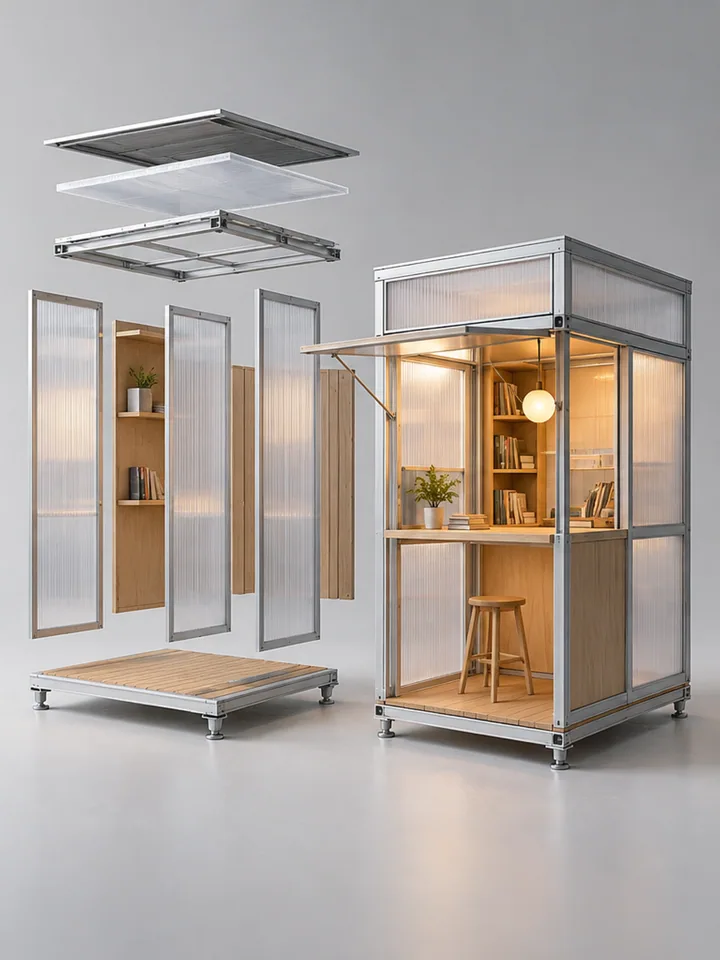
Commercial & packaging · Clean commercial architectural showcase

Commercial & packaging · Clean commercial city morning
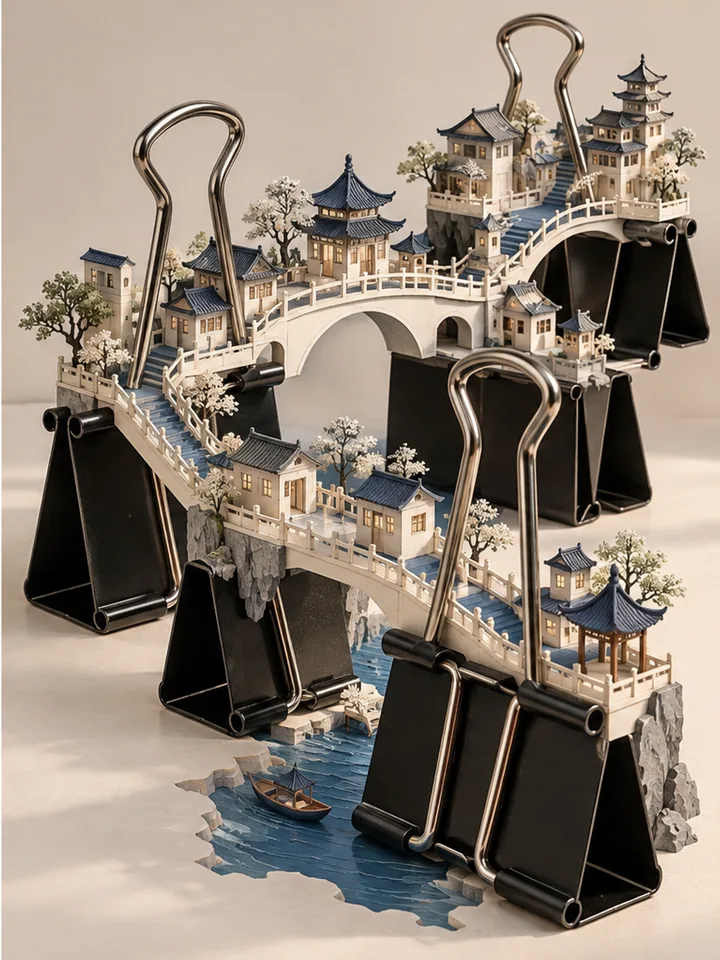
Home instruments · Everyday-object paper-city metaphor
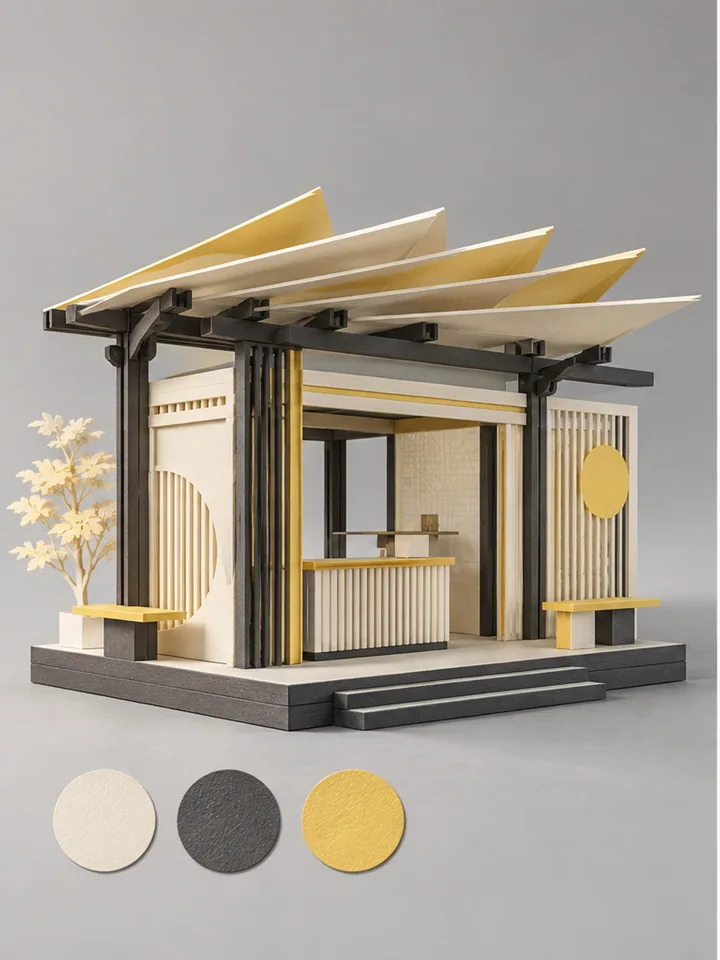
Field & studio tools · Clean commercial paper landmark

Home instruments · Everyday-object Eastern negative space
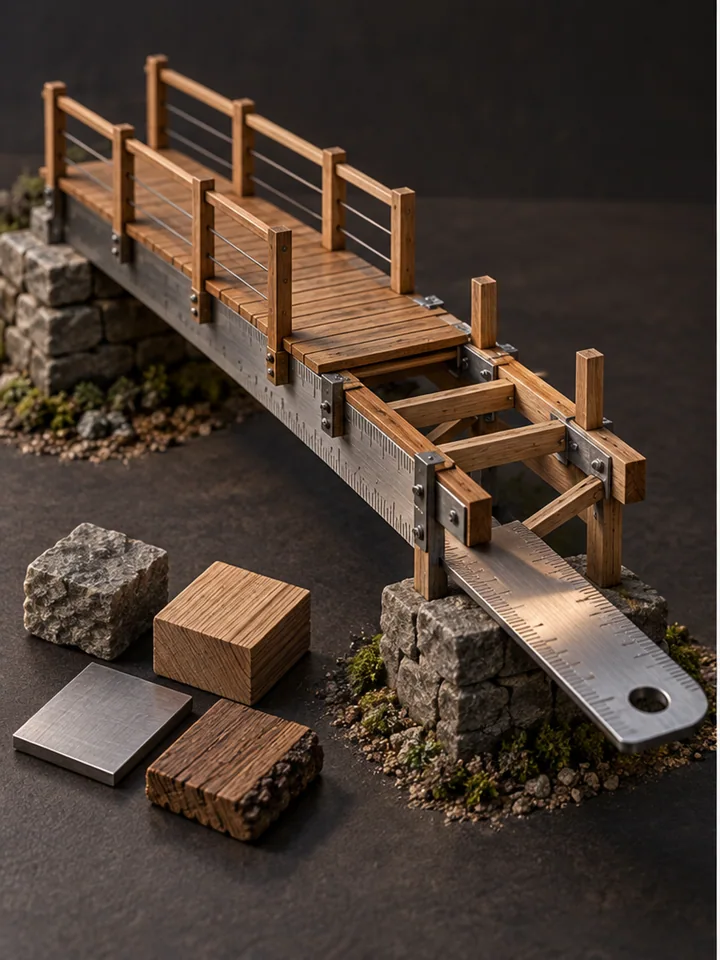
Field & studio tools · Everyday-object construction atlas

Home instruments · Everyday-object material translation

Field & studio tools · Night-action material translation
Category method
Usually not. Define viewpoint, lens effect, depth of field and light relationships first; add numbers only when they materially change the result.
Require the complete product to remain visible and define the liquid’s origin, direction, contact point and frozen moment.
Complete index